Top San Diego Home Remodeling Services for Interior Renovations
Green Home Remodeling: Environmentally Conscious Solutions From Trusted Builders
Sustainable residential renovation is becoming more relevant as homeowners seek eco-friendly solutions. Trusted builders play a critical role in this process, offering expertise in innovative materials and energy-saving technologies. These professionals guide homeowners through sustainable design principles and water conservation strategies. As the demand for greener living spaces grows, the approaches taken in these renovations can lead to considerable benefits. What exact eco-friendly solutions can homeowners expect to explore in their remodeling projects?
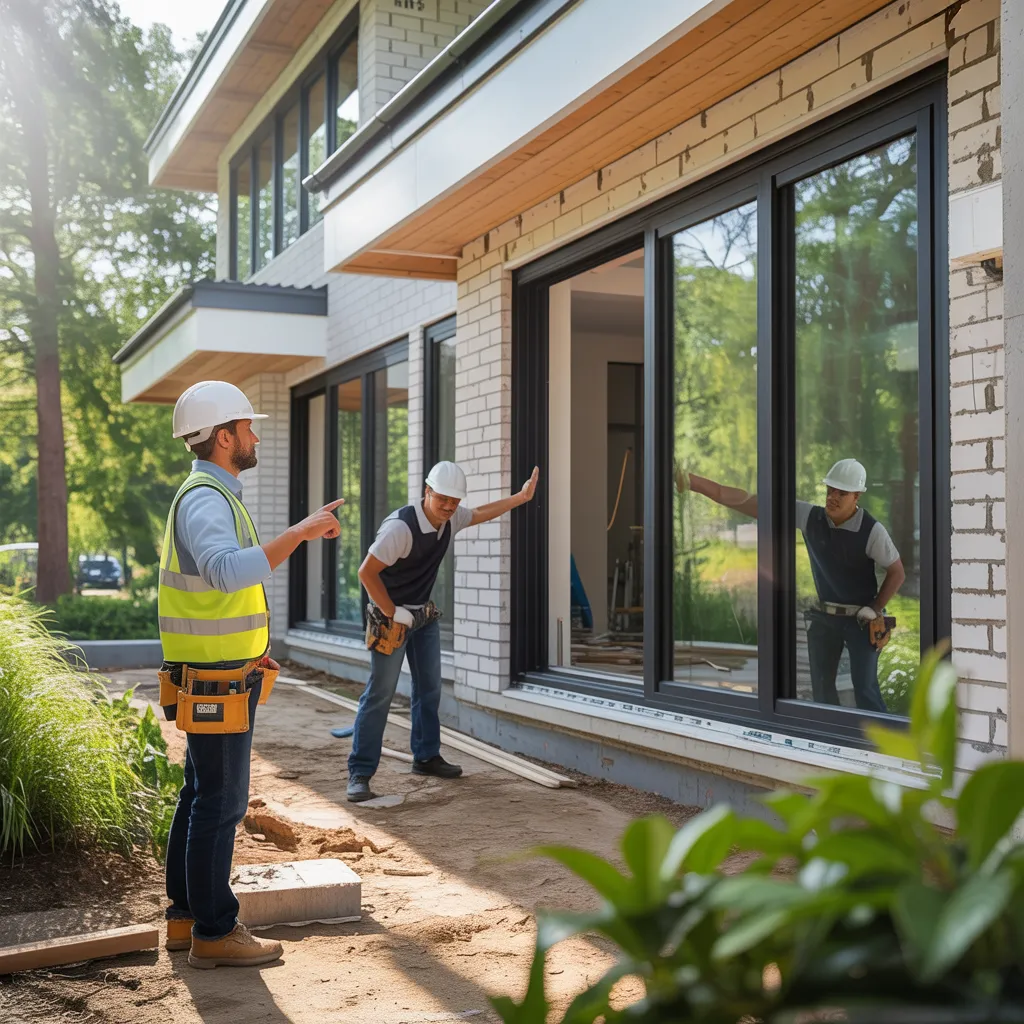
Innovative Eco-Friendly Materials for Your Renovation
In the area of sustainable home remodeling, innovative eco-friendly materials play a key role in reducing environmental impact. These materials not only lower carbon footprints but also enhance healthier living environments. Bamboo, known for its quick growth, is used as a sustainable alternative to standard hardwood. Reclaimed wood, obtained from old buildings, adds character while preventing deforestation. In addition, recycled metal and glass are increasingly utilized in construction, providing durability without requiring new raw materials.
Furthermore, low-VOC (volatile organic compounds) paints and finishes contribute to improved interior air conditions by minimizing toxic emissions. Insulation built from recycled denim or cellulose delivers power savings and convenience. As homeowners focus on sustainability, the interest for these cutting-edge materials continues to rise, creating opportunities for eco-conscious designs. Ultimately, the blending of such products not only enhances appearance but also cultivates a more ethical approach to home remodeling.
Energy-Efficient Systems to Minimize Utility Expenses
As homeowners pursue ways to lower utility costs while embracing sustainability, energy-efficient technologies have become a vital component in modern remodeling projects. These technologies not only decrease energy consumption but also enhance the overall comfort of living spaces. Smart thermostats, for instance, refine heating and cooling, adapting to homeowners' schedules and preferences to reduce unnecessary energy use.
Energy-efficient appliances that are certified by Energy Star use considerably reduced electricity and water when compared to their conventional counterparts, leading to substantial savings over time. Additionally, LED lighting provides a longer lifespan and lower energy consumption than standard bulbs, delivering an environmentally conscious lighting solution.
Using cutting-edge insulation solutions can further reduce heating and cooling requirements, promoting a more energy-saving setting. As people increasingly emphasize environmental responsibility, these solutions represent a practical and impactful method to reducing utility expenses while adding to a more sustainable future.
Environmental Building Concepts for a Eco-Friendly Home
What principles direct the formation of a truly sustainable home? At the core of sustainable design is a commitment to minimizing environmental impact while improving quality of life. First, the use of renewable materials is essential; builders prioritize locally sourced, recycled, or rapidly renewable resources. Second, energy efficiency guides design decisions, supporting the integration of passive solar techniques and strategic insulation to lower reliance on artificial heating and cooling. Third, sustainable homes prioritize natural light and ventilation, promoting healthier indoor environments. Additionally, flexibility in design supports future modifications without extensive renovations, reducing waste. Finally, the integration of green spaces, such as native landscaping, fosters biodiversity and boosts air quality. By following these principles, builders guarantee that homes are not just functional and aesthetically pleasing but also environmentally responsible, thereby leading the path to a greener future.

Aquatic Conservation Approaches for Refurbishment Projects
In what manner can homeowners efficiently incorporate water preservation into their renovation projects? The most impactful strategies involves setting up water-efficient fixtures, like low-flow faucets, shower heads, and dual-flush toilets. These fittings can dramatically reduce water consumption while maintaining functionality. Also, homeowners can look into the adoption of rainwater harvesting systems, which collect rainwater for irrigation and non-potable purposes, enhancing overall sustainability.
Landscaping matters greatly; selecting drought-resistant plants and xeriscaping can cut down outdoor water consumption. Upgrading to smart irrigation systems can further optimize water use by adapting to weather conditions.
Furthermore, using permeable materials for driveways and patios allows rainwater to permeate the soil, decreasing runoff. By implementing these water-saving strategies, homeowners can make substantial contributions to ecological responsibility while enjoying the benefits of lower utility bills. These strategies demonstrate that careful renovation can align aesthetics with sustainable approaches.
Teaming Up With Credible Builders for Sustainable Renovations
Collaborating with established contractors is essential for homeowners trying to accomplish environmentally responsible remodeling. These professionals offer knowledge in sustainable products and power-efficient configurations, ensuring that improvements correspond with eco-friendly standards. By working with contractors who emphasize environmental commitment, homeowners can access innovative solutions that decrease debris and enhance energy conservation.
Moreover, seasoned construction professionals often have established working relationships with material suppliers of sustainable materials, facilitating the sourcing of high-quality materials that minimize the environmental review footprint. They can share practical insights about regional construction standards and regulations, ensuring compliance while championing sustainable practices.
Solid communication between homeowners and builders is crucial to identifying specific green living goals. By exchanging preferences and budget constraints upfront, both parties can establish a personalized restoration strategy that captures the homeowner's vision while maintaining eco-friendly principles. Ultimately, partnering with trusted builders empowers homeowners to create informed choices that add to a greener future.
Frequently Asked Questions
What Do the Expenses Linked to Sustainable Home Restoration?
Costs involved in sustainable home remodeling projects vary widely, ordinarily covering materials, labor, and design fees. Homeowners may commit greater funds initially, but potential savings on energy bills and lasting perks can offset these expenses.
Where Can I Source Trusted Builders for Eco-Friendly Projects?
One must discover trusted construction firms for eco-friendly projects by gathering advice from neighborhood environmental organizations, checking website reviews, examining credentials, and consulting with potential construction teams about their knowledge and obligation to environmentally sustainable methods.
Are There Tax Incentives for Sustainable Home Improvements?
Yes, there are often financial benefits for eco-friendly home improvements. Property owners may be eligible for deductions or credits based on energy-efficient upgrades, renewable energy installations, and other environmentally friendly improvements, depending on local and federal regulations.
Which Authorizations Do You Should Get for Green Remodeling?
Typically, environmentally conscious renovation necessitates permits such as building, wiring, pipe work, and sometimes particular ecological permits. Property owners should consult local regulations to guarantee compliance with zoning laws and any green construction codes in their area.
What's the Best Way to Verify My Redesign Meets Eco-Friendly Guidelines?
To ensure a remodel adheres to sustainability standards, one should research local regulations, choose sustainable materials, work with certified professionals, implement energy-saving systems, and focus on designs that minimize waste and environmental impact throughout the project.